English
Students conduct research, analyse information from multiple sources, and document their findings through reports, presentations, and reflective writing.
- Research from multiple sources
- Reports and presentations
- Reflective writing
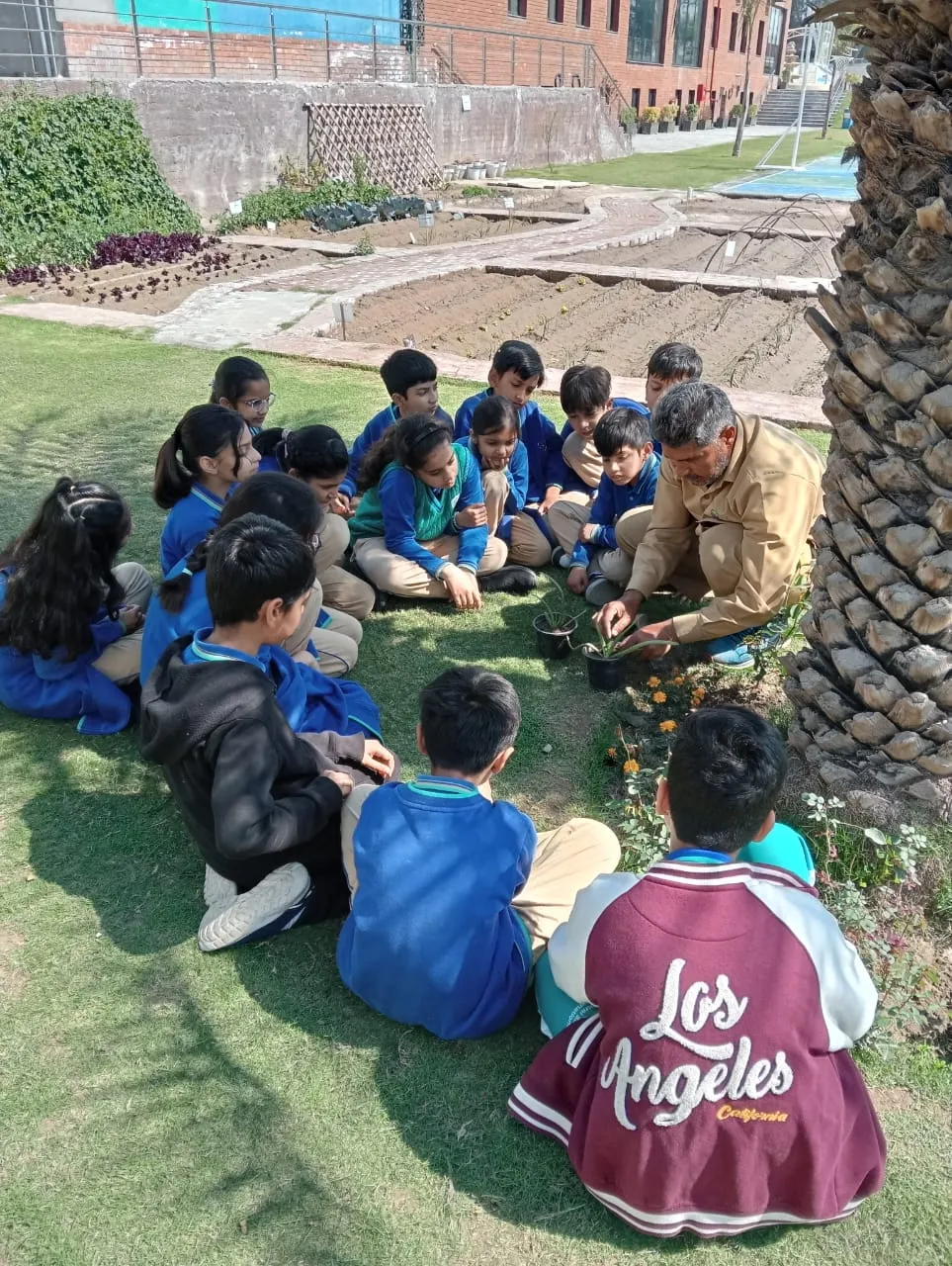
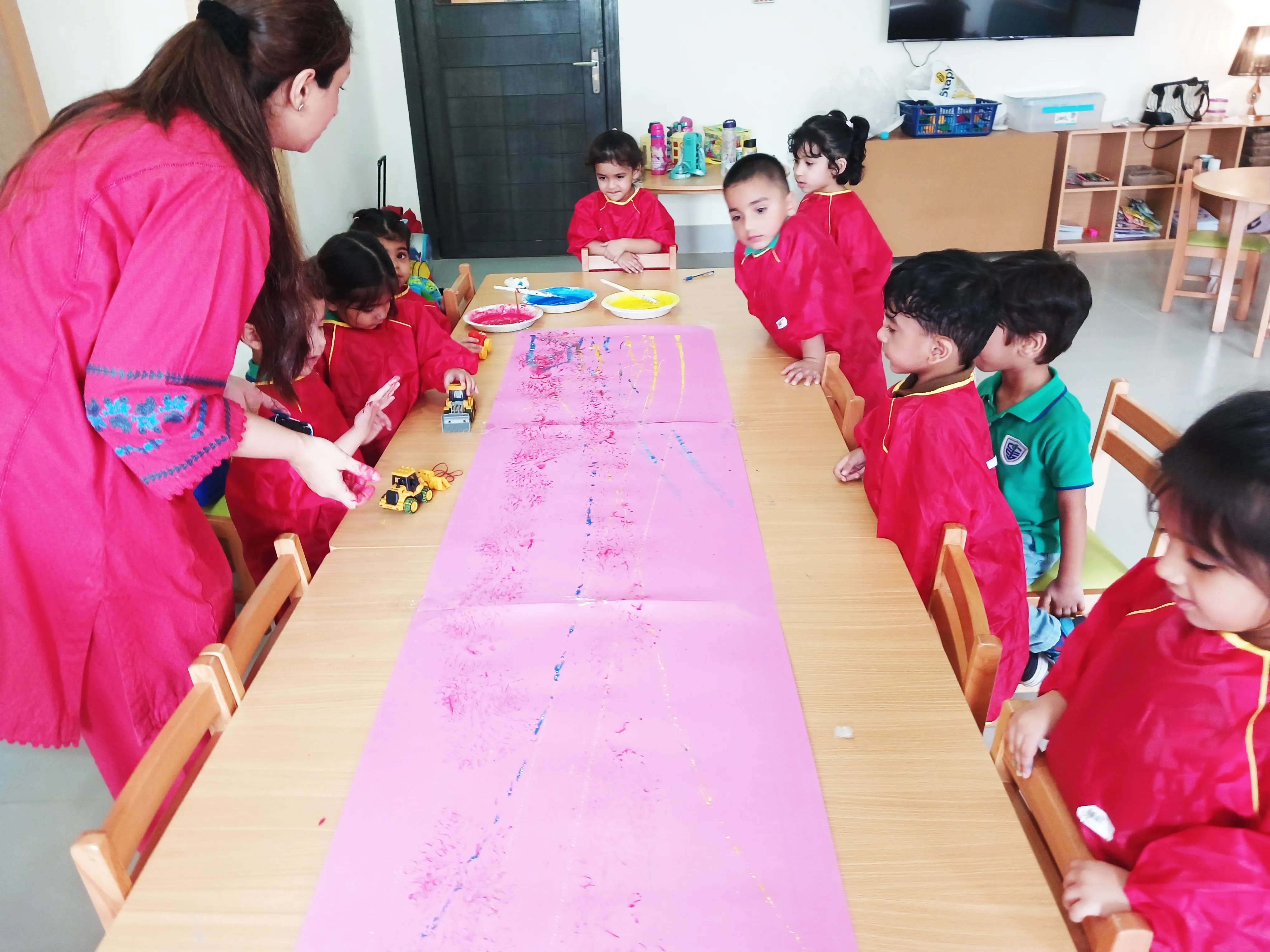
Students explore environmentally responsible infrastructure and thoughtful design that balances urban development with environmental responsibility.
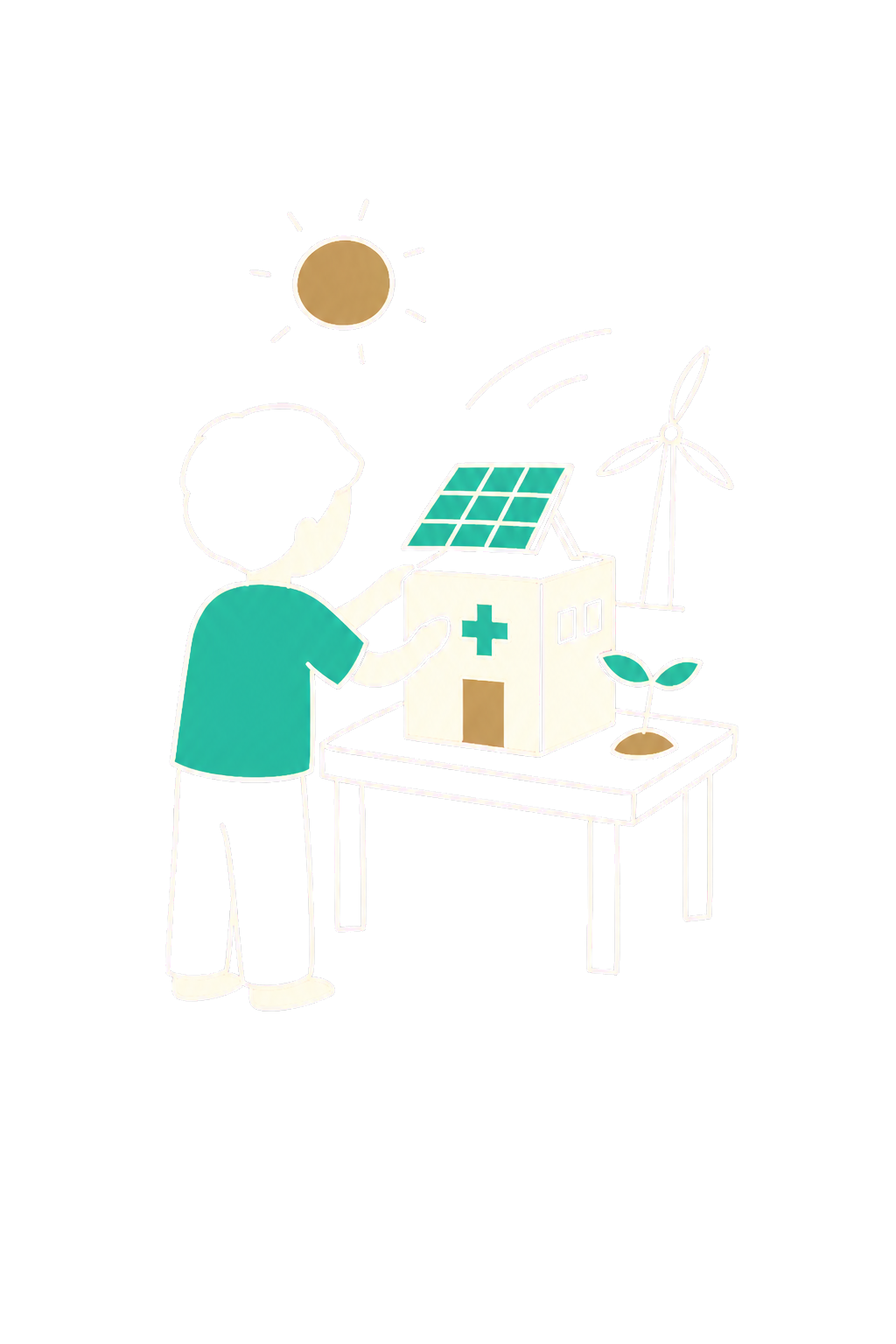
Driving question: How can we, as young planners, design a sustainable infirmary building in an urban setting to help the community while protecting the environment?
This is an interdisciplinary project in which every subject contributes to students' understanding of how environmentally sustainable urban spaces can be designed and developed. By integrating knowledge from multiple disciplines, students gain a holistic understanding of sustainable infrastructure and responsible urban planning.
Students conduct research, analyse information from multiple sources, and document their findings through reports, presentations, and reflective writing.
Students develop subject-specific vocabulary and learn key environmental and urban planning terminology in Urdu, strengthening communication in both languages.
Students explore sustainable construction, renewable resources, energy efficiency, waste management, biodiversity, and the environmental impact of urban development.
Students examine how cities are planned, how communities interact with their environment, and the social, economic, and environmental factors that shape urban development.
Students apply measurement, geometry, data handling, and calculations to design efficient spaces, estimate resource needs, and interpret environmental data.
Students create concept sketches, architectural drawings, models, and visual representations of environmentally friendly urban spaces.
Students use digital tools to conduct research, create presentations, design digital models, analyse data, and communicate ideas using technology.

"Design spaces that are environmentally sound and thoughtful about the communities they serve."
Students explore how a sustainable infirmary can serve an urban community while protecting the environment, connecting accessibility, responsible planning, and sustainable building practices.

Students explore how healthcare facilities can be thoughtfully integrated into urban environments and planned as spaces that are accessible and inclusive.

Students investigate strategies to improve air quality, reduce pollution, manage waste responsibly, conserve energy, and minimise the infirmary's environmental footprint.

Students research locally sourced, environmentally responsible construction materials and sustainable building techniques.
Students move from systems thinking and research to evidence-based design, prototyping, testing, and a final showcase of their sustainable infirmary solutions.
Students investigate how natural, social, and urban systems interact, building an understanding of the relationship between communities, infrastructure, and the environment.
Students examine the environmental, social, and resource requirements of a sustainable infirmary.
Students collect and interpret data to make informed decisions, applying evidence-based thinking to create environmentally responsible design solutions.
Students develop, build, and evaluate prototypes, refining their designs through testing, feedback, and iterative problem-solving.
Students communicate their research, design process, and final solutions through presentations and exhibitions.