Reduced anxiety.
Students feel less anxious about subjects. PBL reduces the subject-specific anxiety that students face and develops concepts better by consolidating conceptual understanding.
The learning environment shifts when children begin asking their own questions and are given the opportunity to seek answers through inquiry, resilience, and patience. This is Project-Based Learning at CSI.
PBL engages students in creating, questioning and applying knowledge, while developing their skills in critical thinking, collaboration, communication, reasoning, synthesis, and resilience (Barron & Darling-Hammond, 2008).
Students feel less anxious about subjects. PBL reduces the subject-specific anxiety that students face and develops concepts better by consolidating conceptual understanding.
Students see subjects as being relevant to their daily lives. According to the latest research, learning is maximized if the context for learning resembles real-life situations that students face (Brown, Collins & Duguid, 1989).
Students approach subjects with a positive attitude, and learning that is approached with a positive attitude is more likely to be retained and applied.
Every project at CSI is built around the same six components, thoughtfully woven together in different ways each year.
Each project begins with an essential question or a problem to explore, fostering critical thinking and curiosity. Students are encouraged to investigate and come up with solutions, leading to hands-on, inquiry-driven activities that make learning interactive and student-centered.
Skills like creativity, communication, self-management, and research are integral across projects. These skills are essential in a globalized world, enabling students to be effective learners and collaborators.
Activities across the projects are hands-on, from rolling experiments and gardening to spacecraft design and architecture modelling. This tactile, practical learning approach helps students connect theory with practice, developing skills they can use in real life.
Each project draws on concepts from different subjects and brings them together to create meaningful learning experiences. This approach helps students develop a deeper understanding of each subject individually while also building the ability to connect knowledge across disciplines and apply it to answer complex, real-world questions.
Students learn to present and defend their projects, ideas, and understanding with confidence and clarity. Each project encourages them to identify and understand a problem, explore meaningful solutions, and advocate for their ideas through informed discussion and thoughtful reasoning.
Through each project, students engage with a range of technological tools and develop essential digital skills. This approach ensures they remain familiar with evolving technologies while strengthening their ability to use digital tools confidently, effectively, and purposefully.
Observe, explore, and investigate the Earth and the sky.
Class 1 explores what the Earth and sky are, how they are changing, and how young explorers can investigate those changes through inquiry, observation and careful reporting.
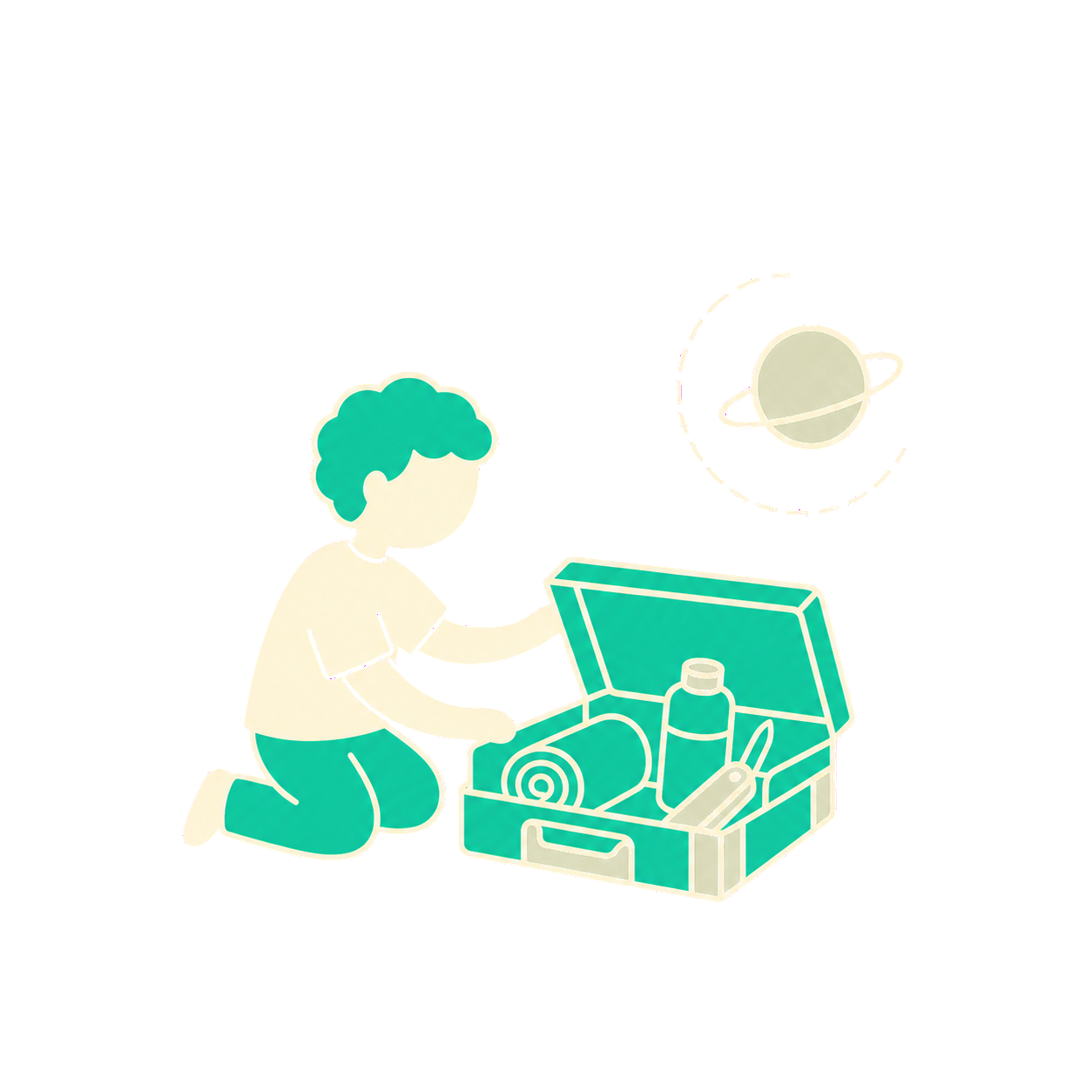
Choose and use Earth's materials to survive in space.
Class 2 steps into the role of space material scientists, using inquiry, research, experimentation and problem-solving to design practical solutions with limited resources.
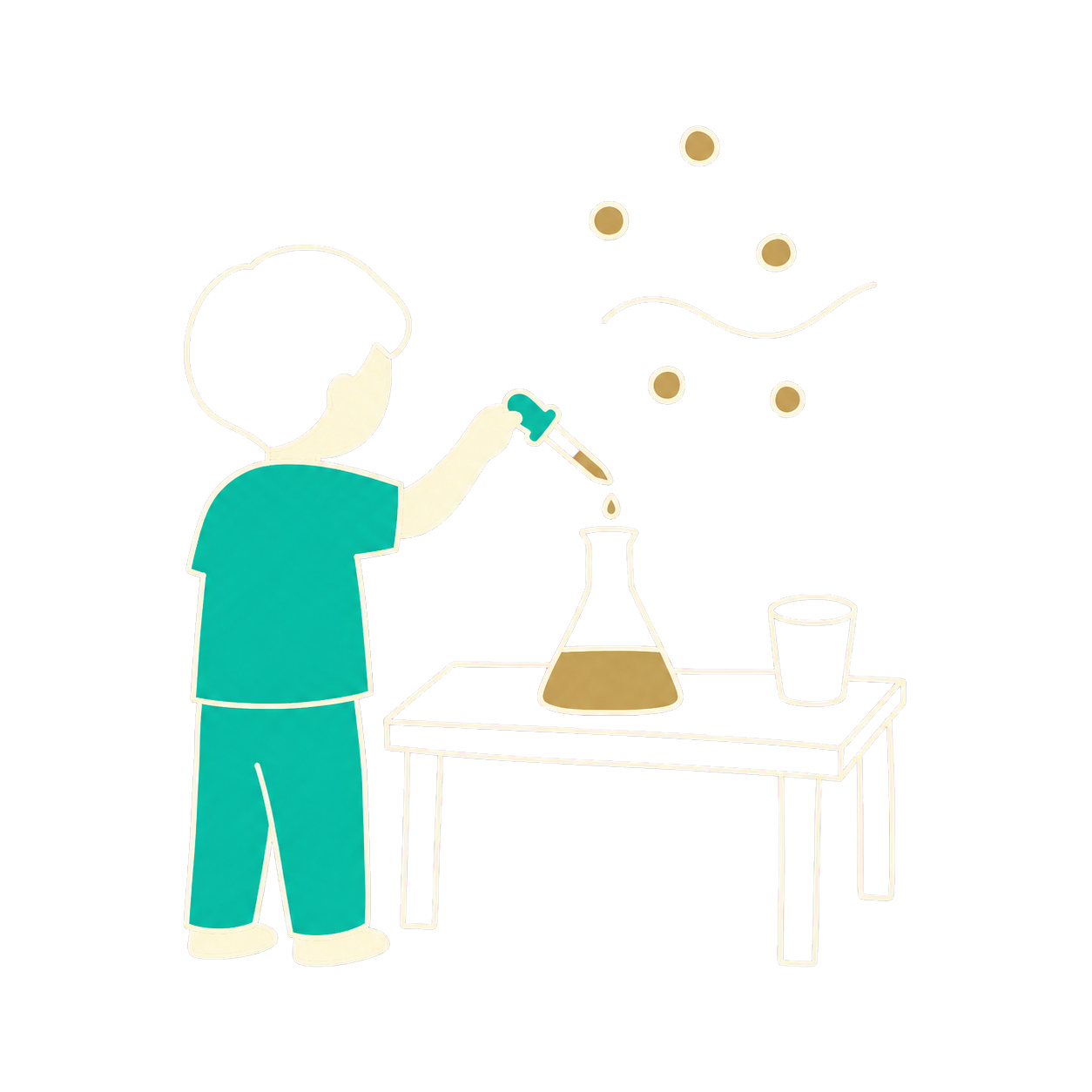
Particles, materials and useful products for everyday life.
Class 3 investigates matter, particles and forms of energy through hands-on experiments. Children explore physical and chemical properties, compare materials, manage resources responsibly and create practical products for everyday use.
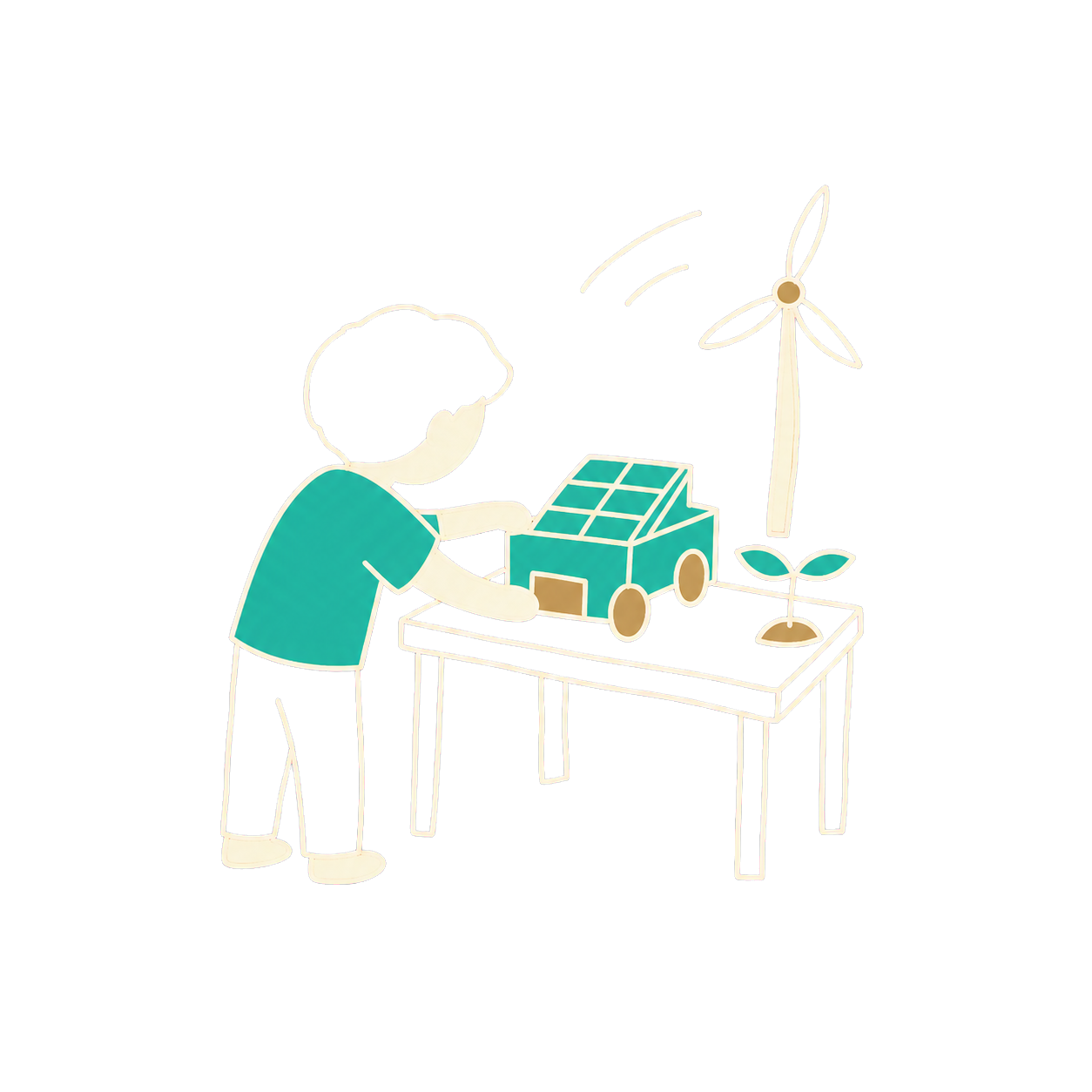
Young engineers design better cars for today's needs.
Class 4 explores materials, technologies, and design solutions that can be used to create environmentally friendly vehicles. Children investigate transportation's environmental impact, evaluate sustainable alternatives, and develop prototypes for a greener future.
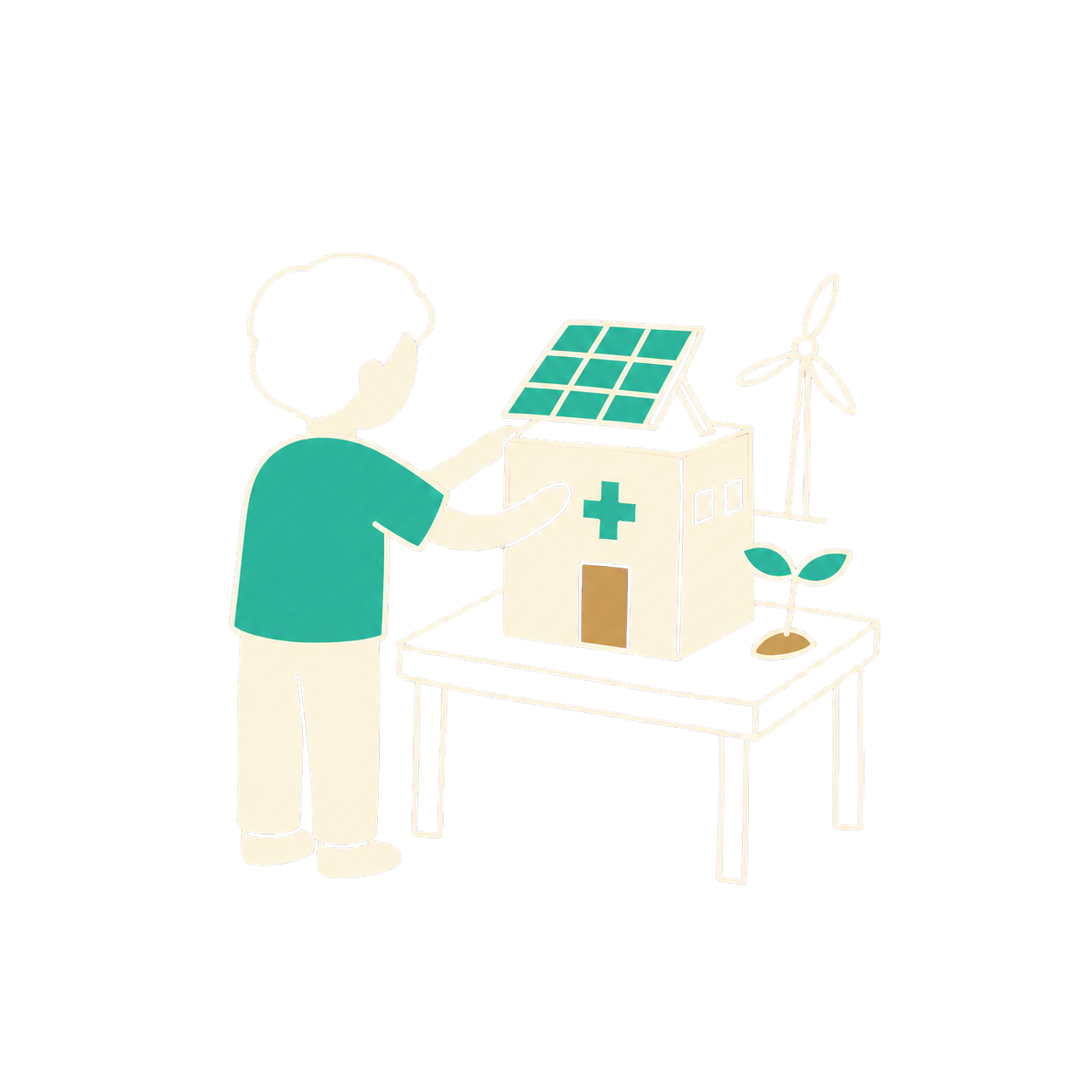
Young planners design spaces that serve the community and protect the environment.
Class 5 explores how environmentally responsible infrastructure can be designed in an urban setting. Students research sustainable planning, community needs, resource use, and environmental impact, then turn their thinking into a sustainable infirmary proposal.
Each class is a chapter of its own. Step inside any one of them, meet the teacher, read the project briefs, see the room, find the rhythm of the week.
Our World and Sky - young explorers investigate Earth's changes and report their discoveries.
Inside the room → ii.Space Survival Kit - material scientists choose and use Earth's resources to survive in space.
Inside the room → iii.Mission Matter - young scientists investigate particles, materials and energy, then design useful products for everyday life.
Inside the room → iv.Green Wheels - young engineers research transportation, design eco-friendly vehicles, and prototype better cars for today's needs.
Inside the room → v.Future Care: Smart Spaces - sustainable infirmary design, urban planning, environmental responsibility, data analysis, digital models and tested prototypes.
Inside the room →Our project-based learning programme provides the opportunity to engage in multiple project-based roles all designed to improve cognitive, social, and emotional intelligence. These roles include:
Find the story, tell it well.
A piece of art: drafted, shared, refined.
Service as relationship, not an activity.
Kitchen practices, cooking techniques, and regional and international cuisines.
Every term ends in a public exhibition. Bring your child along and listen to CSI students defend their work.
Plan An Exhibition Visit →