Science
Students explore the concept of matter, investigating chemical and physical properties through inquiry, experimentation, and hands-on learning.
In Class 3, students delve into the concept of matter, exploring the particles and forms of energy that make up the world around them. They investigate a variety of materials and chemicals, examining their physical and chemical properties through inquiry and experimentation. Using this knowledge, students design and create practical products, applying scientific concepts to develop solutions that can be used in everyday life.
Driving question: How can we, as young scientists, use our understanding of particles, matter and energy to create safe and useful products for everyday life?
This interdisciplinary project brings together six subjects to help students answer a central inquiry: what is matter, and how can we use our understanding of it to create practical solutions for everyday life?
Students explore the concept of matter, investigating chemical and physical properties through inquiry, experimentation, and hands-on learning.
Students research scientific concepts, analyse information from a variety of sources, and communicate their findings through structured writing and reflective tasks.
Students build scientific vocabulary in Urdu, explore key concepts in their national language, and learn about the contributions of Pakistani scientists.
Students apply mathematical concepts by measuring, calculating, recording data, and analysing results during practical investigations.
Students present their research, experiments, and final products during the PBL Culmination.
Students use music and rhythm to reinforce scientific concepts, express their learning creatively, and collaborate with their peers.
This project helps students understand the properties of matter and explore how materials can be used, reused, and managed responsibly to reduce waste and protect our planet.
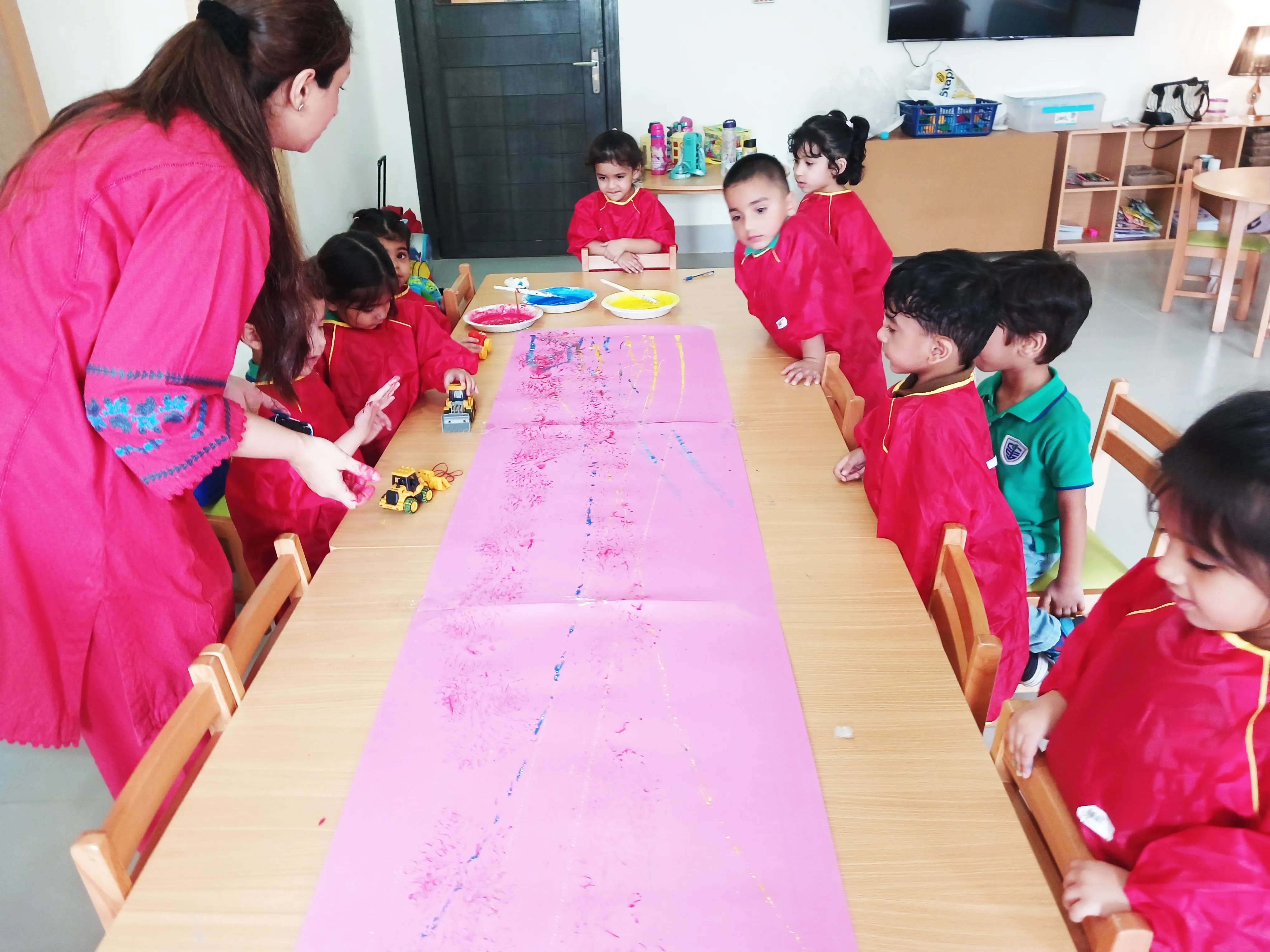
Students explore the concept of matter and learn the importance of minimising waste by using materials responsibly and avoiding unnecessary consumption.
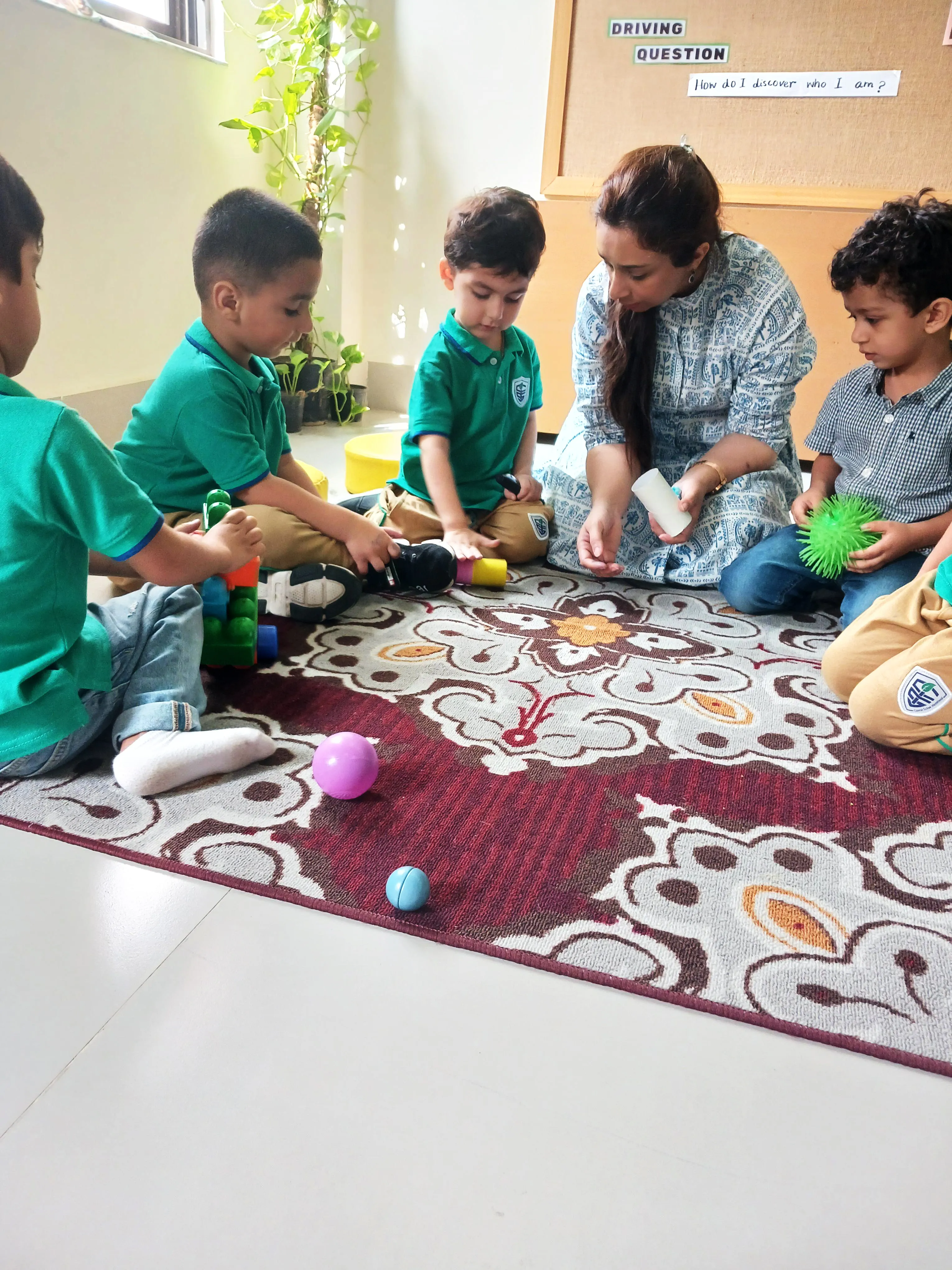
Students discover how materials can be reused and repurposed for different purposes, encouraging them to do more with less while making efficient use of available resources.
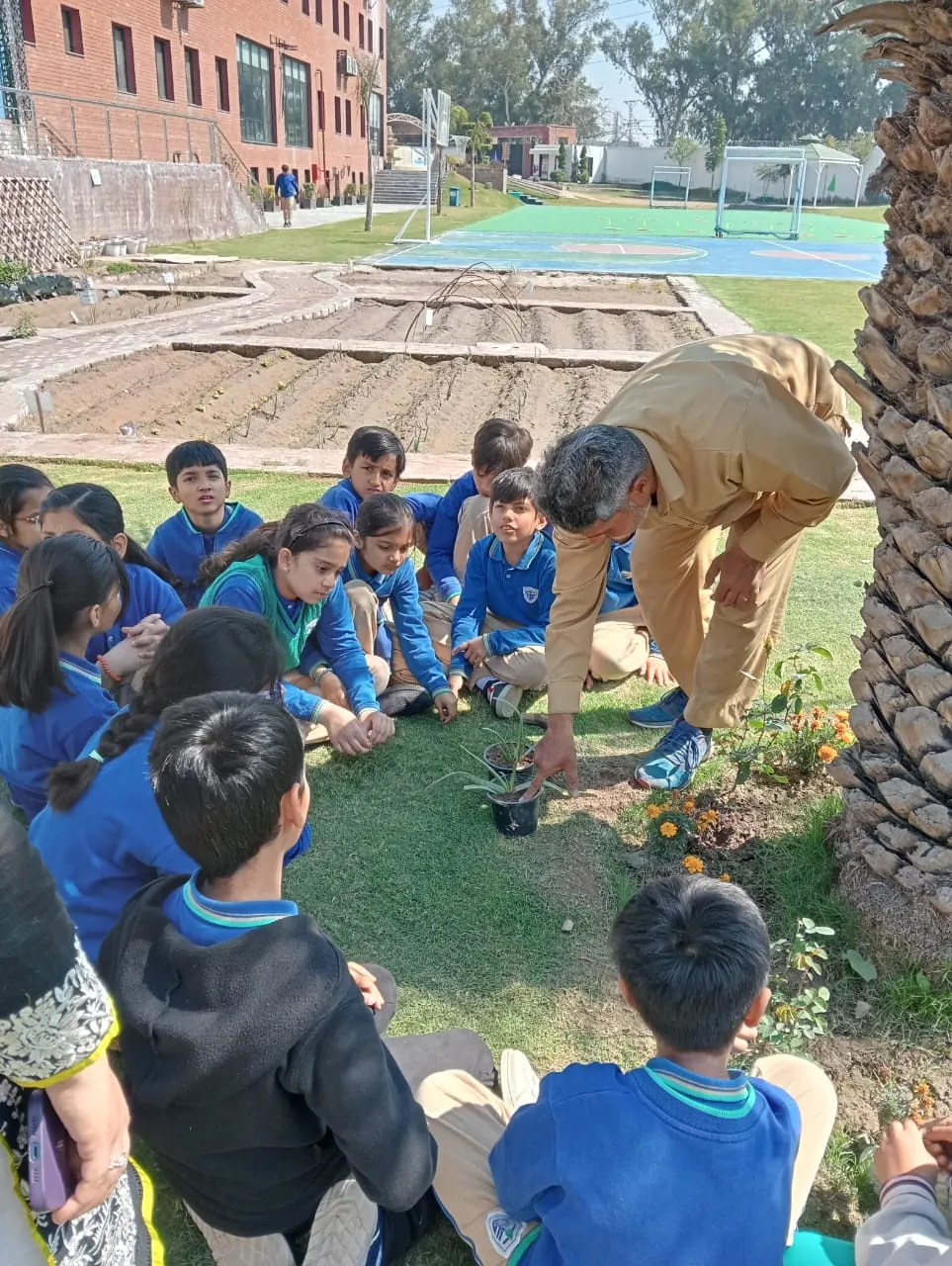
Students develop an understanding of sustainable practices and are encouraged to make thoughtful choices that help protect the environment for the future.
Students move from observing matter to researching particles, testing changes, exploring energy, building useful products, and reflecting on what they have made.
Students explore the properties of solids, liquids, and gases through observation and hands-on experiments.
They discover how particles behave in different states of matter and explain the changes they observe.
Students identify the differences between physical and chemical changes using real-world examples and investigations.
Students examine how heat and energy cause matter to change and investigate their everyday applications.
Students apply their understanding of matter to design and create practical solutions using appropriate materials.
Students showcase their learning, explain their design process, and reflect on the knowledge and skills they developed throughout the project.